


Ultra-Processed Foods: What They Are and Why They Matter
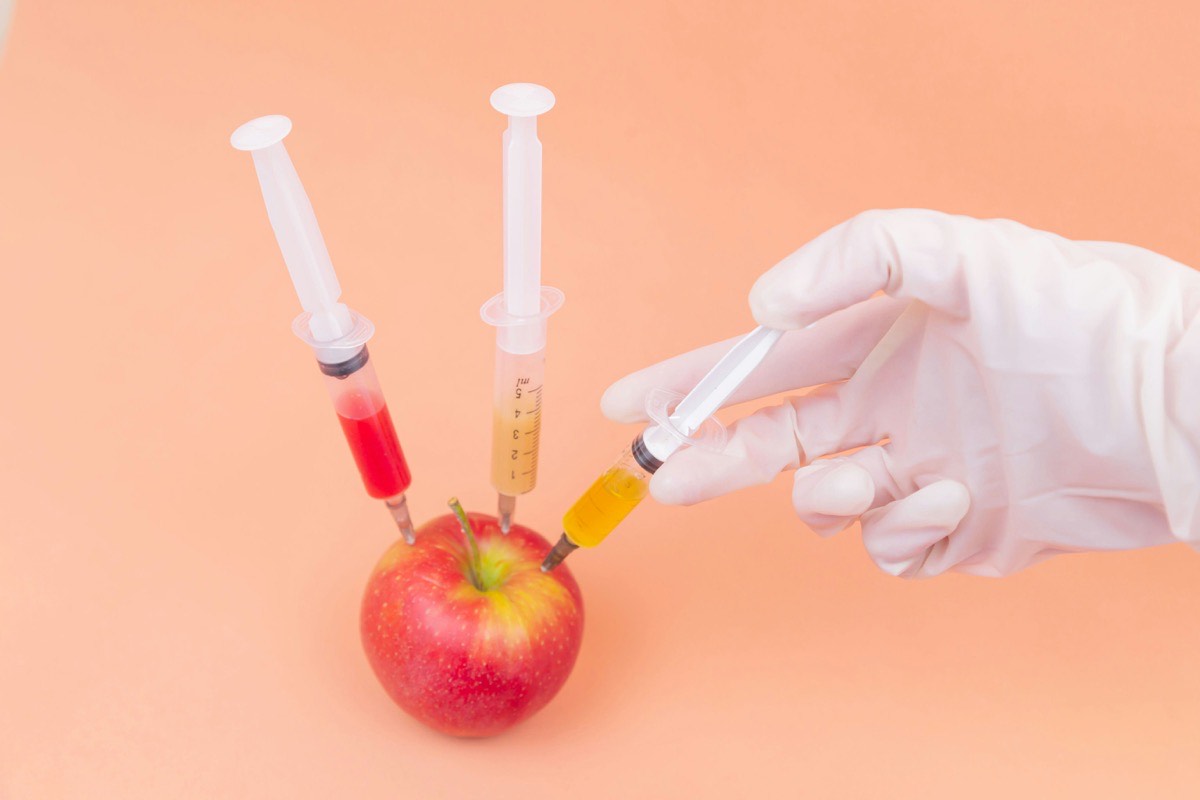
Walk through any supermarket and you’ll find that the majority of products on the shelves share something in common: they’re ultra-processed. From breakfast cereals and flavored yogurts to frozen dinners and soft drinks, ultra-processed foods have quietly become the foundation of the modern diet. But what exactly makes a food “ultra-processed,” and why are researchers increasingly concerned about their impact on health? Let’s break it down.
The NOVA Classification System
To understand ultra-processed foods, it helps to know the framework researchers use to categorize them. The NOVA classification system, developed by nutrition scientists at the University of Sao Paulo in Brazil, divides all foods into four groups based on the extent and purpose of processing:
-
Group 1: Unprocessed or minimally processed foods. These are natural foods that have been altered only by processes like washing, peeling, freezing, or pasteurizing. Examples include fresh fruits and vegetables, eggs, plain meat, nuts, milk, and grains.
-
Group 2: Processed culinary ingredients. These are substances extracted from Group 1 foods and used in cooking, such as oils, butter, sugar, salt, and flour. They’re rarely eaten on their own but are used to prepare meals.
-
Group 3: Processed foods. These are Group 1 foods modified by adding Group 2 ingredients to enhance durability or taste. Think canned vegetables with added salt, cheese, freshly baked bread, or smoked fish. They typically have two or three ingredients and are recognizable as modified versions of the original food.
-
Group 4: Ultra-processed foods (UPFs). These are industrial formulations made mostly or entirely from substances derived from foods and additives, with little or no intact Group 1 food. They are designed to be convenient, hyper-palatable, and shelf-stable.
The key distinction is that ultra-processed foods aren’t simply foods with added ingredients. They’re industrial creations engineered from extracted components and chemical additives that you wouldn’t find in a home kitchen.
What Makes a Food “Ultra-Processed”?
Ultra-processed foods typically contain ingredients that serve industrial purposes rather than nutritional ones. If you flip over a package and see any of the following on the ingredient list, it’s a strong indicator that you’re looking at a UPF:
- High-fructose corn syrup, invert sugar, or maltodextrin (modified sugars)
- Hydrogenated oils or interesterified fats (modified fats)
- Protein isolates, hydrolyzed proteins, or casein (modified proteins)
- Emulsifiers like soy lecithin, mono- and diglycerides, or polysorbate 80
- Artificial sweeteners like aspartame, sucralose, or acesulfame-K
- Colors, flavors, and flavor enhancers including MSG, artificial colorings, and “natural flavors”
- Thickeners, anti-caking agents, glazing agents, and humectants
A practical rule of thumb: if the ingredient list contains more than five items and includes substances you wouldn’t use in your own cooking, the product is very likely ultra-processed.
How Much of Our Diet Is Ultra-Processed?
The numbers are striking. Studies consistently show that ultra-processed foods make up approximately 57 percent of total calorie intake in the average American diet. Among children and adolescents, the figure is even higher, reaching nearly 67 percent in some studies. The United Kingdom, Canada, Australia, and many other high-income countries show similar patterns.
This shift didn’t happen overnight. Over the past several decades, the food industry has invested heavily in creating products that are convenient, inexpensive, and engineered for maximum palatability. Ultra-processed foods are designed to hit what food scientists call the “bliss point,” the precise combination of sugar, salt, and fat that makes a product nearly irresistible and easy to overconsume.
Health Risks: What the Research Shows
A growing body of evidence links high UPF consumption to a wide range of negative health outcomes. Here’s what large-scale studies have found:
-
Obesity and weight gain. A landmark 2019 study from the National Institutes of Health found that people eating an ultra-processed diet consumed about 500 more calories per day than those eating unprocessed meals, even when meals were matched for available calories, sugar, fat, fiber, and macronutrients. Participants gained an average of two pounds over just two weeks on the UPF diet.
-
Cardiovascular disease. Research published in the British Medical Journal found that a 10 percent increase in the proportion of UPFs in the diet was associated with a 12 percent increase in cardiovascular disease risk.
-
Type 2 diabetes. Multiple cohort studies have shown that higher UPF consumption is associated with a significantly elevated risk of developing type 2 diabetes, independent of overall diet quality and caloric intake.
-
Cancer. Some epidemiological evidence suggests a link between UPF consumption and certain cancers, particularly colorectal cancer, though this area of research is still developing.
-
Depression and mental health. Several studies have found associations between high UPF intake and increased risk of depression and anxiety, possibly related to the inflammatory effects of certain additives and the displacement of nutrient-rich foods.
-
All-cause mortality. A large Spanish cohort study found that consuming more than four servings of UPFs daily was associated with a 62 percent increased risk of all-cause mortality compared to lower consumption.
Why Are Ultra-Processed Foods So Problematic?
Researchers are still working to fully understand the mechanisms, but several factors likely contribute:
1. They displace whole foods. Every calorie from a UPF is a calorie that isn’t coming from vegetables, fruits, whole grains, or lean proteins. The more ultra-processed food you eat, the less room there is for nutrient-dense alternatives.
2. They’re engineered to be overconsumed. The combination of refined ingredients, added sugars, and precise flavor profiles makes it difficult to stop eating. UPFs tend to be eaten faster and in larger quantities than minimally processed alternatives.
3. They disrupt appetite regulation. Some evidence suggests that the soft textures and rapid energy delivery of UPFs may interfere with the body’s normal satiety signals, leading to habitual overconsumption.
4. They may cause inflammation. Certain additives, including emulsifiers and artificial sweeteners, have been shown in animal studies to alter gut microbiome composition and promote low-grade inflammation.
How to Identify Ultra-Processed Foods in Your Diet
Spotting UPFs becomes easier once you know what to look for:
- Check the ingredient list, not just the nutrition label. A product can have acceptable macros and still be ultra-processed. The type of ingredients matters as much as the quantities.
- Count the ingredients. Long ingredient lists with unfamiliar names are a red flag.
- Ask yourself: could I make this at home? If the answer is no because the recipe would require industrial additives, it’s likely a UPF.
- Be skeptical of health claims. Products labeled “high protein,” “low fat,” or “whole grain” can still be ultra-processed. Marketing claims don’t change the underlying formulation.
Common foods that are often ultra-processed but may not seem like it include: flavored yogurts, granola bars, breakfast cereals, plant-based meat alternatives, protein bars, store-bought smoothies, and many brands of bread.
Practical Swaps That Make a Difference
You don’t need to eliminate every ultra-processed item from your diet overnight. Start with swaps that are manageable and sustainable:
- Flavored yogurt swapped for plain Greek yogurt with fresh fruit
- Breakfast cereal swapped for oatmeal with nuts and berries
- Store-bought granola bars swapped for a handful of nuts and dried fruit
- Packaged bread swapped for bakery bread with a short ingredient list
- Deli meats swapped for home-cooked chicken or turkey
- Sugary drinks swapped for water, sparkling water, or unsweetened tea
- Frozen dinners swapped for simple home-cooked meals using whole ingredients
- Flavored chips swapped for air-popped popcorn seasoned at home
The goal isn’t perfection. It’s awareness. Even reducing your UPF intake by a few servings per week shifts your overall dietary pattern in a meaningful direction.
One of the most eye-opening things you can do is simply start logging what you eat for a week and reviewing the ingredient lists. The EatWell app makes food tracking straightforward, helping you see patterns in your diet and identify where ultra-processed foods are sneaking in. Once you can see it clearly, making informed swaps becomes much easier. Download EatWell app from the AppStore and try it today.
Final Thoughts
Ultra-processed foods are so deeply embedded in modern food culture that most of us eat far more of them than we realize. The growing body of research linking UPFs to obesity, heart disease, diabetes, and other serious health conditions makes a compelling case for paying closer attention to how our food is made, not just what nutrients it contains.
This isn’t about demonizing convenience or making every meal from scratch. It’s about understanding what you’re eating and making choices that move the needle toward more whole, minimally processed foods over time. Read the ingredient list, question the packaging, and cook when you can. Small shifts, practiced consistently, add up to significant changes in your health.