


What to Eat on Ozempic, Wegovy, or Zepbound
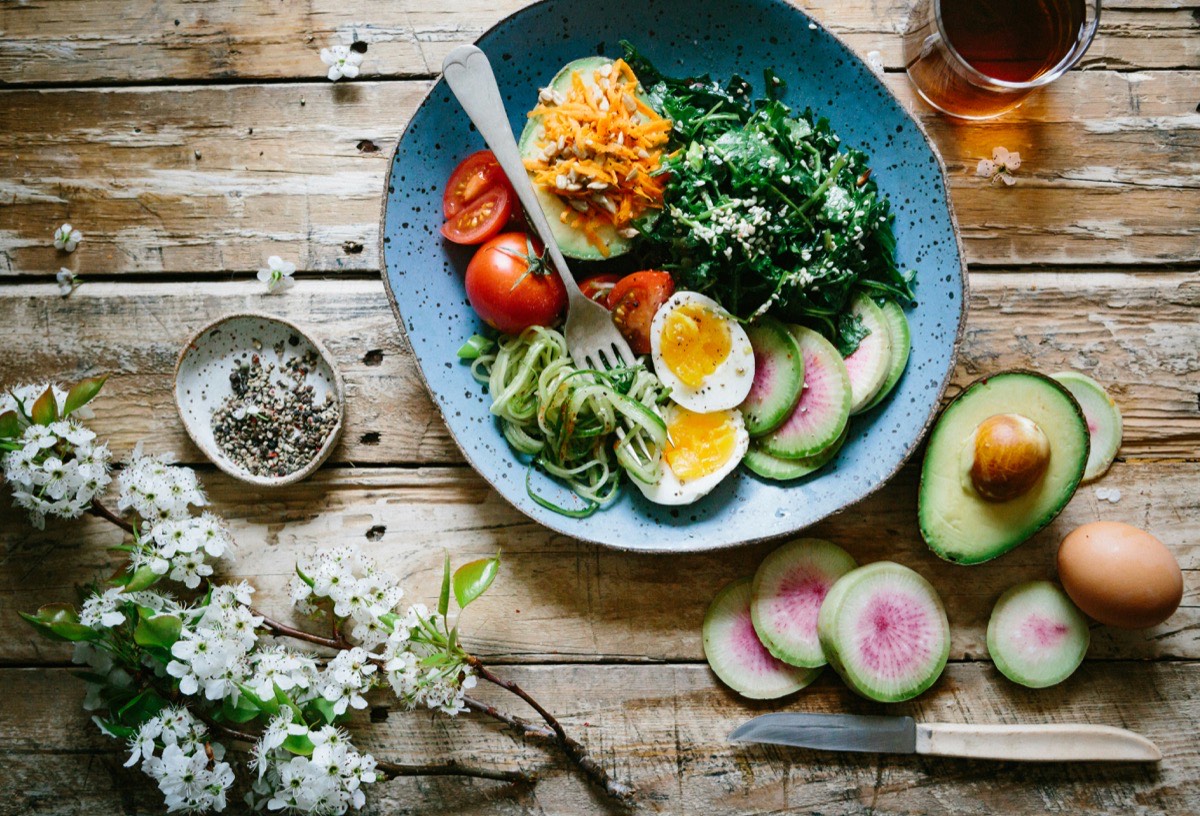
GLP-1 receptor agonist medications like Ozempic (semaglutide), Wegovy (semaglutide), and Zepbound (tirzepatide) have transformed weight management for millions of people. These drugs work remarkably well at suppressing appetite, but that very benefit creates a nutritional challenge most people don’t see coming: when you eat significantly less food, every bite needs to count. Here’s how to make sure the food you do eat supports your health, preserves your muscle mass, and helps you get the most out of your medication.
How GLP-1 Medications Work
GLP-1 receptor agonists mimic a natural hormone called glucagon-like peptide-1, which your gut releases after eating. These medications slow gastric emptying (the rate at which food leaves your stomach), increase feelings of fullness, and reduce appetite signals in the brain. Tirzepatide, the active ingredient in Zepbound, also activates GIP receptors, providing a dual mechanism of action.
The result is a dramatically reduced appetite. Most people on these medications find they simply aren’t as hungry, eat smaller portions, and feel satisfied much sooner. Clinical trials have shown average weight loss of 15 to 22 percent of body weight, depending on the specific drug and dosage.
But here’s the critical point that often gets lost in the excitement: reduced appetite does not mean reduced nutritional needs. Your body still requires the same essential nutrients, vitamins, minerals, and especially protein to function well. When your total food intake drops by 30 to 50 percent, you need to be far more intentional about what you eat.
Why Protein Matters More Than Ever
One of the most significant concerns with rapid weight loss on GLP-1 medications is the loss of lean muscle mass. Research published in the New England Journal of Medicine found that up to one-third of the weight lost on semaglutide can come from lean body mass rather than fat. Losing muscle isn’t just a cosmetic issue. It lowers your metabolic rate, weakens your bones, and can make it harder to maintain weight loss long-term.
The single most important dietary strategy on these medications is prioritizing protein. Here’s what the evidence suggests:
- Aim for 25 to 30 grams of protein per meal. This threshold is important because it maximizes muscle protein synthesis, the process by which your body builds and repairs muscle tissue.
- Spread protein across all meals. Eating 90 grams of protein at dinner is far less effective for muscle preservation than distributing it evenly across three meals.
- Include a protein source at every eating occasion. Even snacks should contribute to your daily protein goal.
- Target 1.0 to 1.2 grams of protein per kilogram of body weight daily. Some researchers recommend even higher intakes for people experiencing rapid weight loss.
Good protein sources to prioritize include chicken breast, fish, eggs, Greek yogurt, cottage cheese, lean beef, tofu, tempeh, lentils, and protein-rich dairy. Because your appetite is reduced, consider starting each meal with protein before moving to other foods on your plate.
Fiber and Micronutrients: Don’t Let Them Slip
When you eat less overall, your intake of fiber, vitamins, and minerals can easily fall short. Fiber is especially important because GLP-1 medications already slow digestion, and constipation is one of the most commonly reported side effects.
To keep your digestive system functioning well and meet your micronutrient needs:
- Include vegetables at every meal. Leafy greens, broccoli, bell peppers, and zucchini are nutrient-dense without being overly filling.
- Choose whole grains over refined ones. Brown rice, quinoa, oats, and whole wheat bread provide more fiber, B vitamins, and minerals per serving.
- Eat fruit daily. Berries, apples, and citrus fruits provide fiber, vitamin C, and antioxidants in relatively small portions.
- Consider a multivitamin. Discuss with your prescriber whether a daily multivitamin makes sense given your reduced food intake.
Hydration Is Non-Negotiable
Dehydration is another underappreciated risk on GLP-1 medications. Nausea, a common side effect especially during dose escalation, can reduce fluid intake. Meanwhile, your body still needs adequate water for digestion, kidney function, and overall well-being.
Aim for at least 64 ounces of water daily, and more if you exercise or live in a warm climate. Sipping water throughout the day rather than drinking large amounts at once is easier on a sensitive stomach. Broth-based soups can serve double duty by providing both hydration and nutrients.
Foods to Prioritize
Building your meals around these categories will help you maximize nutrition in smaller portions:
- Lean proteins: Chicken, turkey, fish, eggs, Greek yogurt, cottage cheese, tofu
- Non-starchy vegetables: Spinach, kale, broccoli, cauliflower, asparagus, green beans
- Whole grains in moderate portions: Quinoa, brown rice, oats, whole grain bread
- Healthy fats in small amounts: Avocado, olive oil, nuts, seeds (calorie-dense, so portions matter)
- Fruits: Berries, apples, citrus, melon
Foods to Limit or Avoid
Certain foods are more likely to trigger unpleasant gastrointestinal side effects or waste your limited caloric budget:
- Greasy and fried foods: These slow digestion further and commonly worsen nausea
- Large fatty meals: Heavy, rich dishes sit poorly in a stomach that’s already emptying slowly
- Sugary beverages and sweets: These provide calories without meaningful nutrition
- Highly processed snacks: Chips, crackers, and packaged snacks fill you up without delivering the protein and nutrients you need
- Alcohol: Adds empty calories, can worsen nausea, and may interact with blood sugar regulation
Practical Meal Structure Tips
Structuring your meals thoughtfully can help you meet your nutritional targets even when your appetite is minimal:
1. Protein first, always. Start every meal by eating your protein source before anything else. If you get full partway through, at least you’ve consumed the most important macronutrient.
2. Eat slowly and mindfully. GLP-1 medications amplify fullness signals, so give your body time to register what you’ve eaten. Rushing through a meal increases the risk of nausea.
3. Eat on a schedule, not just when hungry. Because these medications suppress appetite so effectively, you may not feel hungry at typical mealtimes. Set reminders if needed to ensure you’re eating at least three times a day.
4. Keep portions small but nutrient-dense. Think of meals as compact packages of nutrition rather than large plates to finish.
5. Prepare for low-appetite days. Stock easy, protein-rich options like Greek yogurt, hard-boiled eggs, protein shakes, or string cheese for days when cooking feels like too much effort.
When your appetite is reduced on GLP-1 medications, tracking what you eat becomes even more important. The EatWell app makes it easy to log your meals and see exactly how much protein you’re getting at each sitting, so you can make sure you’re hitting that 25 to 30 gram target and protecting your muscle mass even as the scale moves down. Download EatWell app from the AppStore and try it today.
Final Thoughts
GLP-1 medications are powerful tools, but they work best when paired with thoughtful nutrition. The paradox of these drugs is that eating less makes it more important, not less, to pay attention to what you eat. By prioritizing protein at every meal, staying hydrated, filling in with vegetables and whole grains, and avoiding foods that trigger side effects, you can protect your lean muscle mass, maintain your energy, and set yourself up for lasting success well beyond the medication itself.
Talk to your healthcare provider or a registered dietitian for personalized guidance, especially if you’re experiencing significant side effects or struggling to meet your nutritional needs. Your diet on these medications isn’t about restriction. It’s about making every bite work harder for you.